

Helical Piers in Saratoga, WY
Helical piers in Saratoga, WY installed with a torque log for every pier, so you get written proof of load capacity, not just steel in the ground.
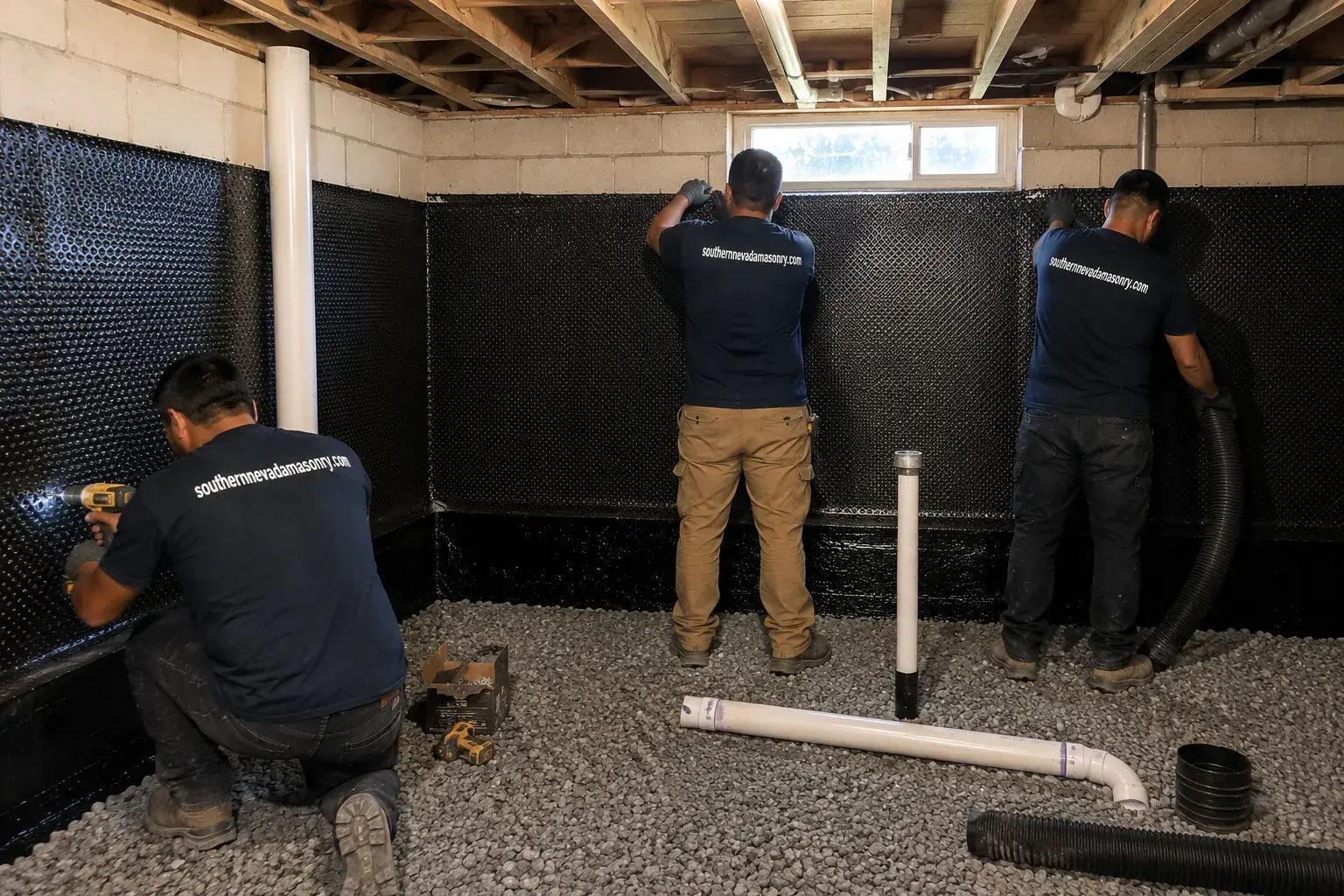

Best Helical Piers in Saratoga, WY
A helical pier is a steel shaft with round plates welded near the bottom, and it gets screwed into the ground like an oversized wood screw. That is the whole idea. Most people who type helical piers near me have been handed a quote with the word on it and no explanation of what they are buying.
The shaft is usually 2 and 7/8 inches to 3 and a half inches across, galvanized or epoxy coated so it does not rust. The plates, called helices, come in 8, 10, 12 and 14 inch diameters.
Plate size is chosen for your soil, not for your house. Soft clay carries maybe 500 to 1,500 pounds per square foot, so it needs bigger plates. Dense sand or gravel can carry over 6,000, so smaller plates do the job. Spacing between plates on the same shaft should be at least three times the width of the lower plate so they each grip fresh soil instead of fighting each other.
Here is the part that separates a real installation from an expensive guess. A helical pier is turned into the ground by a hydraulic torque motor, and the resistance that motor feels is directly related to how much weight the pier can hold. That relationship has a name, the torque correlation factor, and it means the machine measures the soil for you as it goes.
So the installer knows the capacity of every single pier the moment it stops turning.
That number should be written down. One line per pier, with the depth reached and the final torque. It is called a torque log, and it is the only proof you will ever get that the pier under your house actually reached load bearing soil.
Ask for it. If a company installing helical piers near me cannot hand you a torque log at the end of the job, you paid for steel in the ground and nothing else.
The standard behind all of this is ICC-ES AC358, the acceptance criteria for helical foundation systems. Every legitimate pier product also carries an evaluation report, an ESR number, from ICC Evaluation Service. Ask for that number too. It takes one search to confirm the product is what somebody says it is.
Now the choice you are actually making. Push piers are the other option, and the difference is simple. Push piers use the weight of your house to drive them down, so heavy houses push well and light ones do not. Helicals do not care what the house weighs, because the motor does the work.
That is why helicals go under light single story homes, additions, decks, and porches where a push pier would just lift the structure instead of going down. They also install at an angle, which push piers cannot, so they get used as tiebacks on retaining walls.
Around Saratoga, WY a helical pier runs $1,500 to $3,000 installed, and most homes needing them use somewhere between 6 and 14. Depth, access, and whether we have to work through a finished floor move the number. Two operators are needed on the torque motor, which is a real part of why helicals price higher than push piers on the same house.
A crew of four sets 8 to 10 piers in a day on open ground. Excavation to expose the footing comes first, then the bracket goes on, then the pier turns down until torque says stop.
But there are jobs where helical piers are the wrong answer, and you should hear this before you sign. If your house is out of level because it was built that way, piers fix nothing. If the movement is coming from a leaking water line under the slab washing soil out, the pipe gets fixed first or the new piers will sit in the same wet mess. And if the problem is a wall being pushed sideways by soil rather than a footing dropping, that is a bracing job, not a piering job.
Look at the warranty language closely too. A lot of pier warranties exclude damage caused by conditions that existed before the work. That sounds fair until you realize the company may have installed into those conditions without telling you, and later point at the same conditions to refuse a service call. Ask directly what conditions on your property could void it, and get the answer in writing before the first shovel.
Piers should also come with an elevation reading before and after. Without a starting number, nobody can prove the house moved back.
We have been setting helical piers around Saratoga, WY for 21 years, and we hand over the torque log, the ESR number for the product, and the before and after elevations as one packet. If you searched helical piers near me because someone quoted you a number without showing you any measurements, call (833) 769-2615 and we will bring ours.